


What is Tokyo Honzome Chūsen?
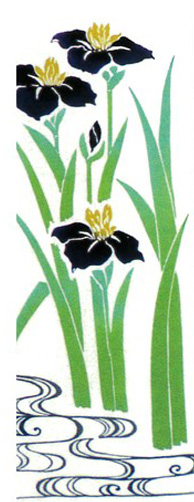
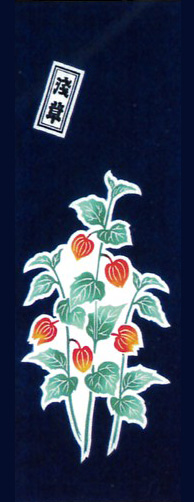
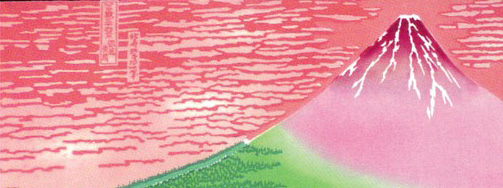
Tokyo Honzome Chūsen is a handcrafted stencil dyeing technique that originated from “tsugi-zome” (pour dyeing), a method for tenugui (hand towels) devised by Edo dyers during the late Edo period.The initial techniques are believed to have been established by the mid-19th century. In Tokyo, the Chūsen technique was also applied to Yukata fabric after the late Meiji era, refining the skill. Because the fabric is stenciled equally and the dye is poured onto both sides of the fabric, the result is a double-sided dye with both intricate detail and a profound, undulating texture. Today, its applications have expanded beyond tenugui and Yukata to include fashion accessories, clothing, interior goods, and more. The Kanto Chūsen Industrial Cooperative’s “Tokyo Honzome Chūsen ” was designated a Traditional Craft Product by the Minister of Economy, Trade and Industry on October 26, 2023.
Traditional techniques and methods
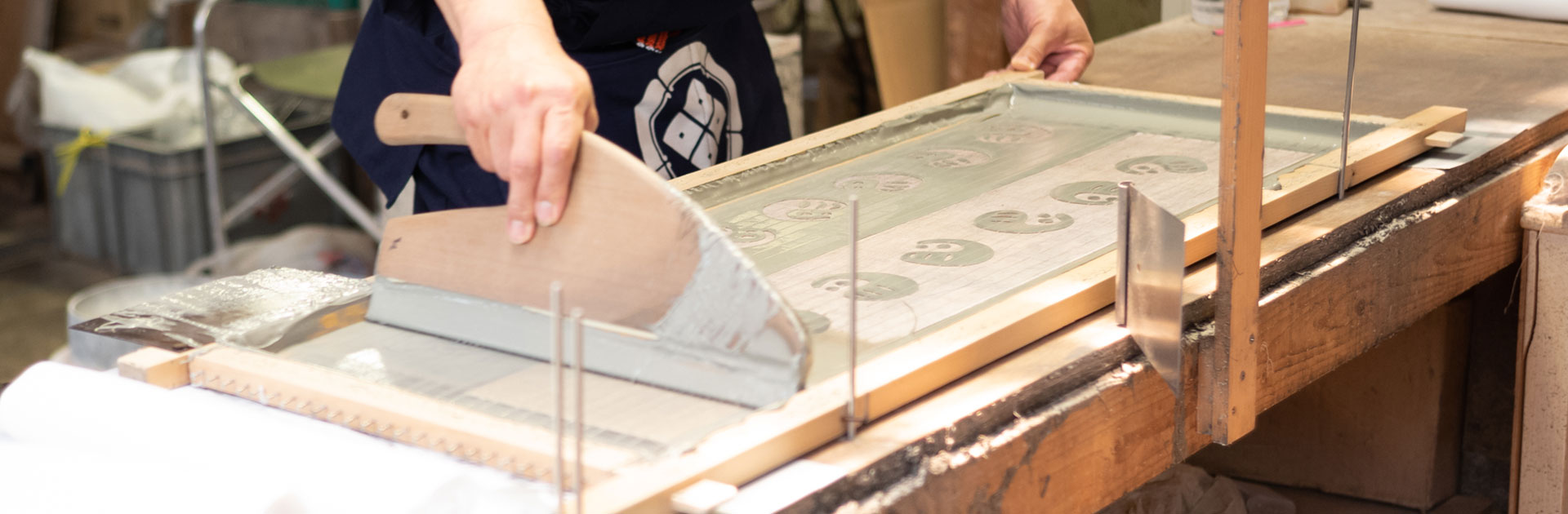
[Main Process 1: Katatsuke (Stenciling)]
A stencil paper stretched over a frame is placed onto the fabric, and a resist paste is applied over the stencil using a spatula. The fabric is precisely folded back at the edge where the paste was applied, and this stenciling process is repeated until the resist paste is applied equally to both sides of the fabric.
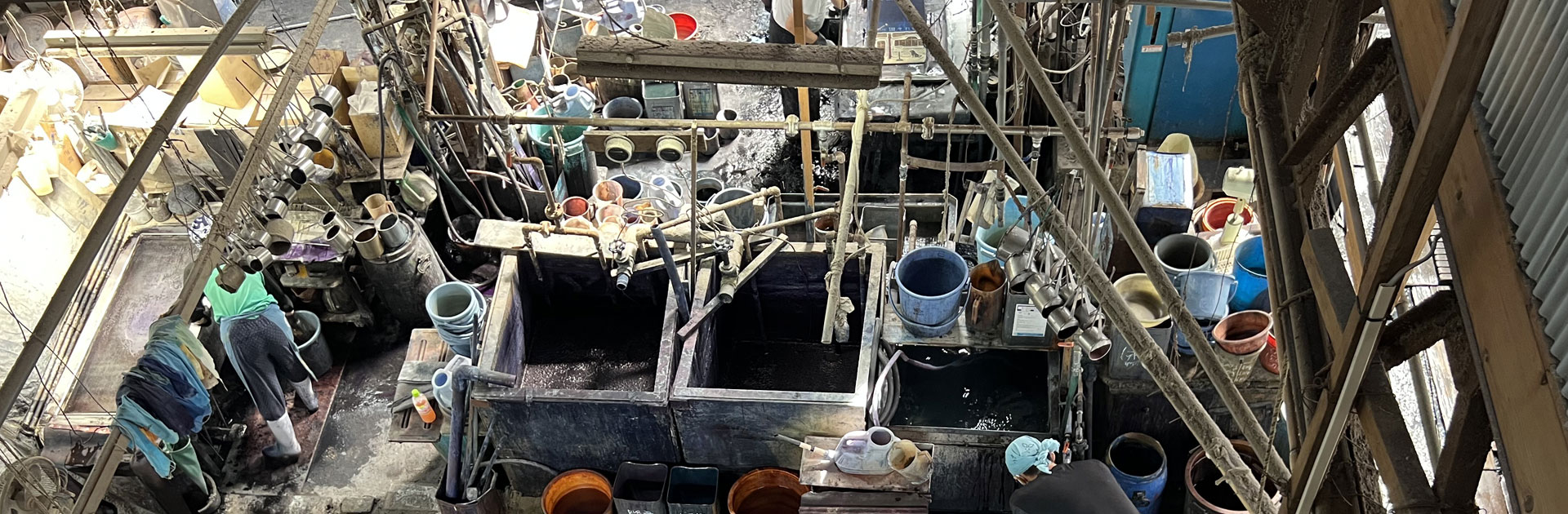
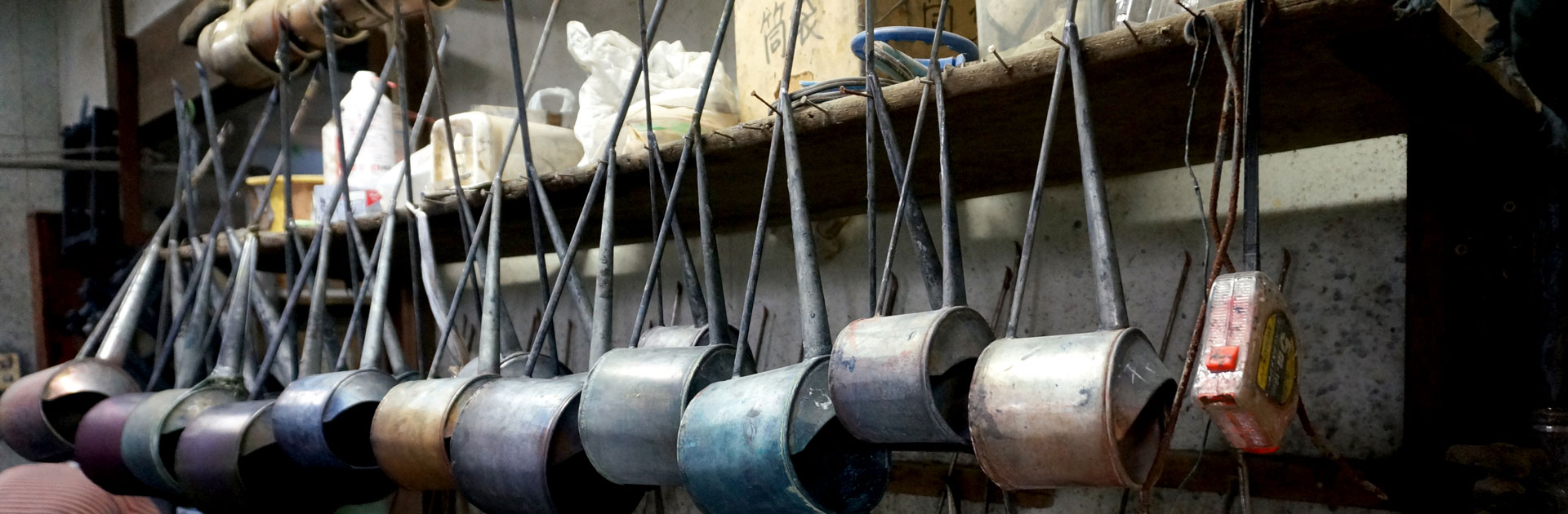
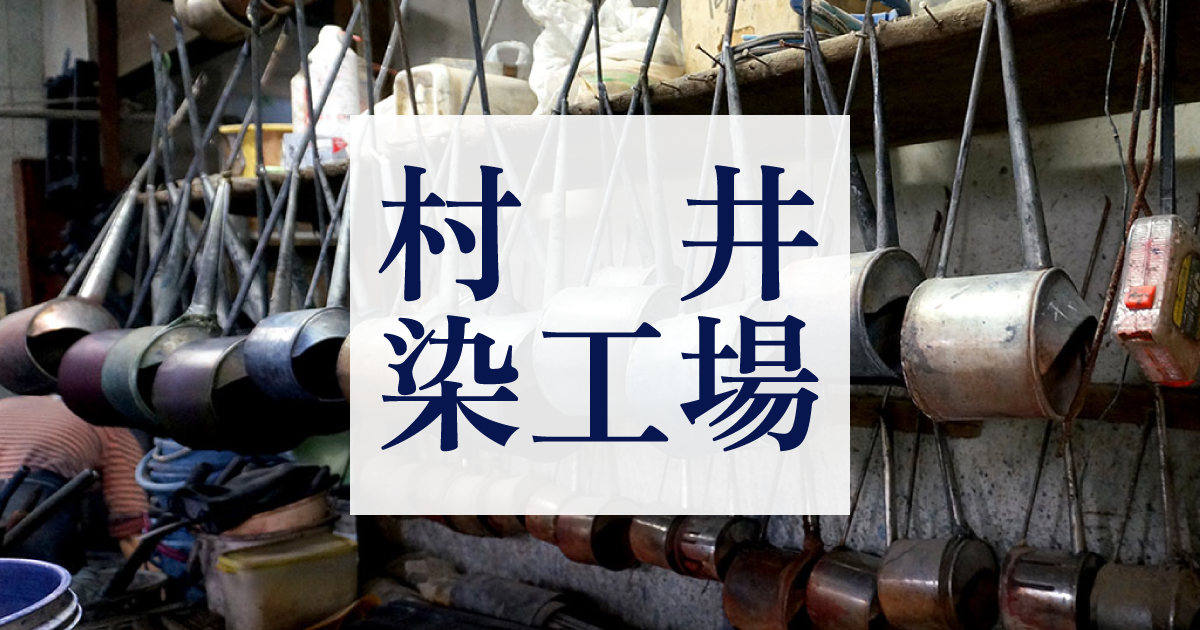
Stenciling is performed on several tan (rolls of fabric) at a time. Dye is poured from a “kettle” with a long, thin spout over the layered fabric to dye it. The entire stack is then flipped over, and dye is poured from the reverse side as well.
[Main Process 2: Chūsen (Pour Dyeing)]
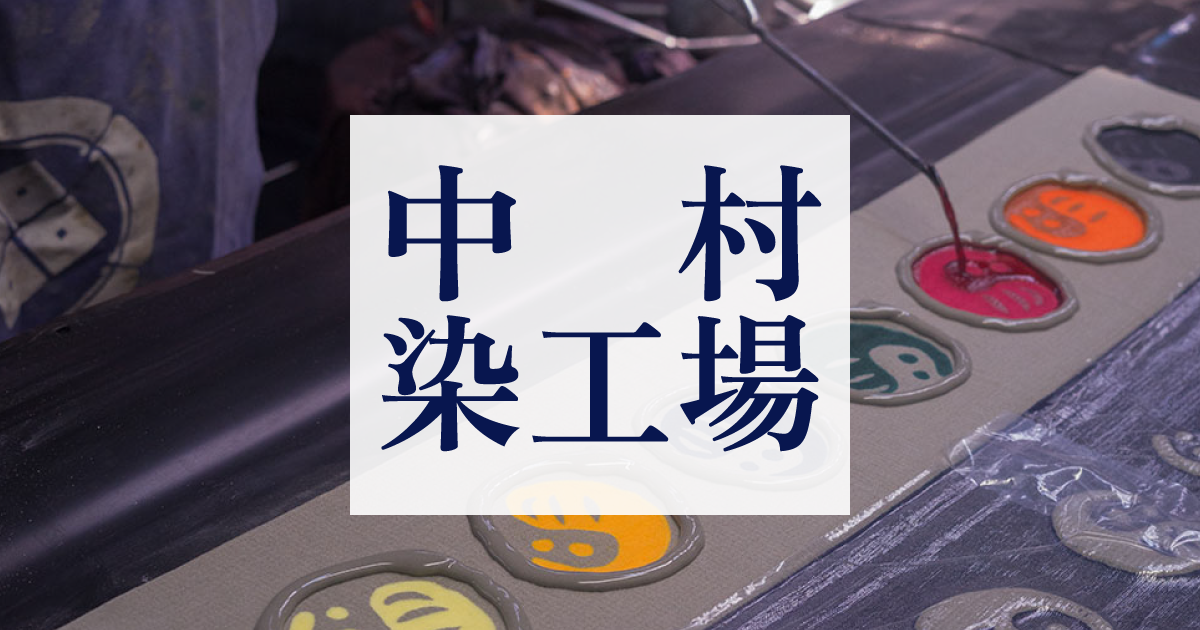
Dyeing techniques include “Isshiki-zome” (single-color dyeing), “Sashiwake-zome” (dyeing multiple colors at once), “Bokashi-zome” (gradation dyeing by blending different colors), and “Hosokawa-zome” (overdyeing). For sashiwake and parts of bokashi and hosokawa techniques, a barrier of resist paste is created using a paste bag. For dyeing fine patterns, a “tsukibo” (poking rod) is used to carefully complete the dyeing process.
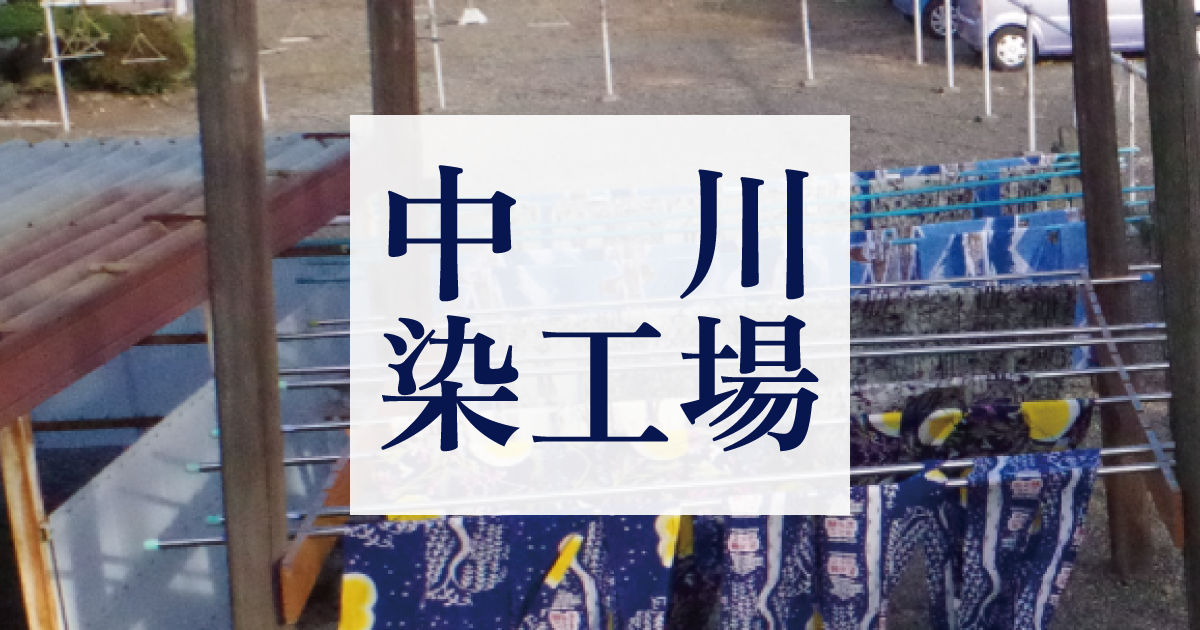
The dyed fabric is then washed with water and sun-dried to finish. All other processes are fundamentally carried out by the skilled handiwork of experienced craftspeople.
Regarding Tokyo Honzome Chūsen Yukata and Tenugui
Regarding Tenugui (Hand Towels)
During the Edo period, the domestic cultivation of cotton and production of cotton textiles advanced, leading to the widespread use of cotton tenugui. They were used in public bathhouses and as head coverings, effectively becoming a type of personal accessory. In Edo, Kabuki actors and people of refined taste commissioned custom-dyed tenugui with their favorite designs, which were also given out as gifts. Against this backdrop, Chūsen (pour dyeing) of tenugui began in Edo during the late Edo period. With the spread of Chūsen after the Meiji era, the practice of distributing custom-ordered tenugui with unique designs expanded to general commercial and industrial businesses, and the lineup of commercially available tenugui also grew.
Regarding Yukata (Yukata Fabric)
Originating as a practical item for wiping oneself after bathing, the Yukata developed during the Edo period into “after-bath wear” and later as relaxing evening wear for the summer. In the Meiji era, it became established as standard everyday summer clothing. Yukata fabric dyed using the Nagaita Chugata technique inherited from Edo was a specialty product of Tokyo, but the application of Chūsen to Yukata fabric began in the late Meiji period. By the early Showa period, Chūsen became synonymous with Tokyo Yukata fabric, cherished as summer attire suitable for modern urban life. Even today, they are widely worn as casual summer kimonos, especially at summer events like firework displays and festivals. They are also used as sleepwear and loungewear in accommodations such as ryokan (Japanese inns). Besides being tailored into Yukata, the tanmono (bolts of fabric) are also being applied to make Western-style clothing like shirts, and accessories like bags.


About the Kanto Chūsen Industrial Cooperative
The Kanto Chūsen Industrial Cooperative was established in 1951 (Showa 26), with members comprising businesses involved in Chūsen (pour dyeing), wasarashi (Japanese raw cotton bleaching), and finishing processes within the Kanto region. In 2022 (Reiwa 4), a supporting member system was introduced, allowing wholesalers and retailers who deal in Chūsen products to join as supporting members. The cooperative is committed to inheriting the techniques and skills developed by our predecessors and engages in the creation of various works using Chūsen. Furthermore, we conduct activities to introduce the techniques and charm of Tokyo Honzome Chūsen so that it may become more familiar in the daily lives of even more people.
Member |
|||
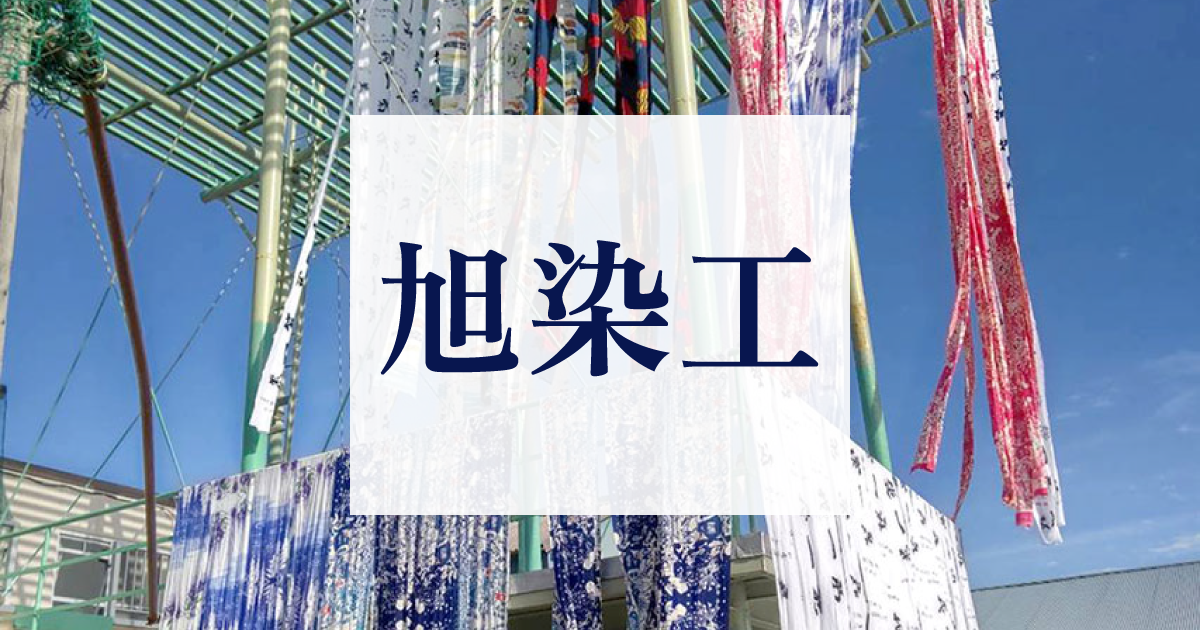
| Asahi Someko Co., Ltd. | 2-14-6 Hanabatake, Adachi City, Tokyo 〒121-0061 |
WEB | |
|---|---|---|---|
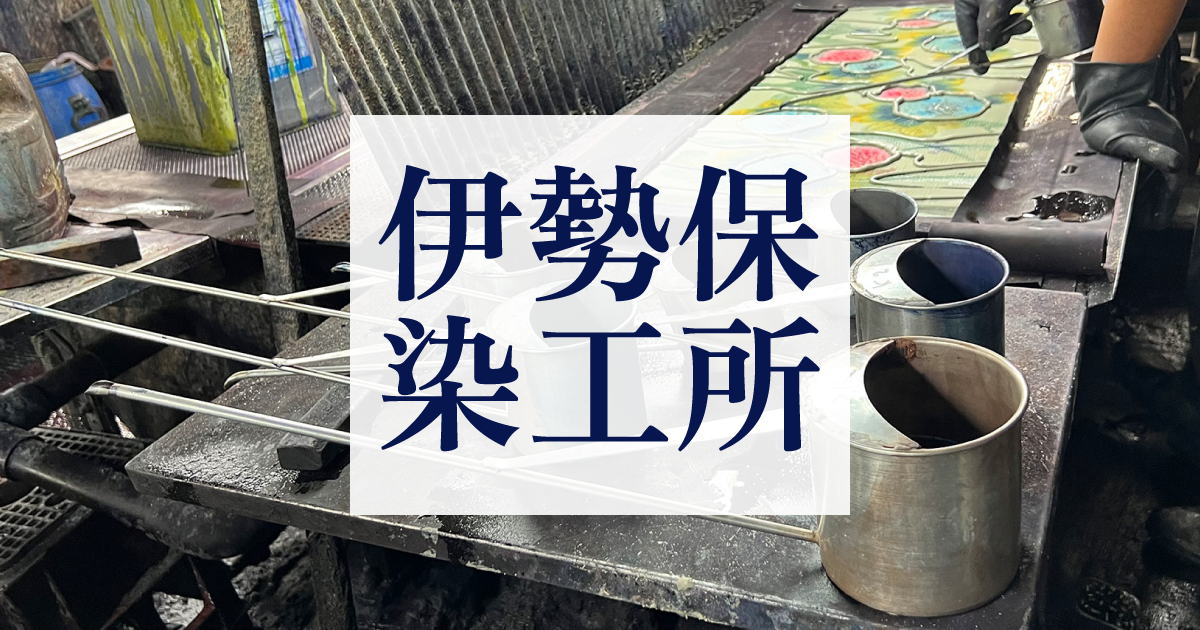
| Iseyasu Senkosho Limited Company | 2-19-11 Matsushima, Edogawa City, Tokyo 〒132-0031 |
WEB | |
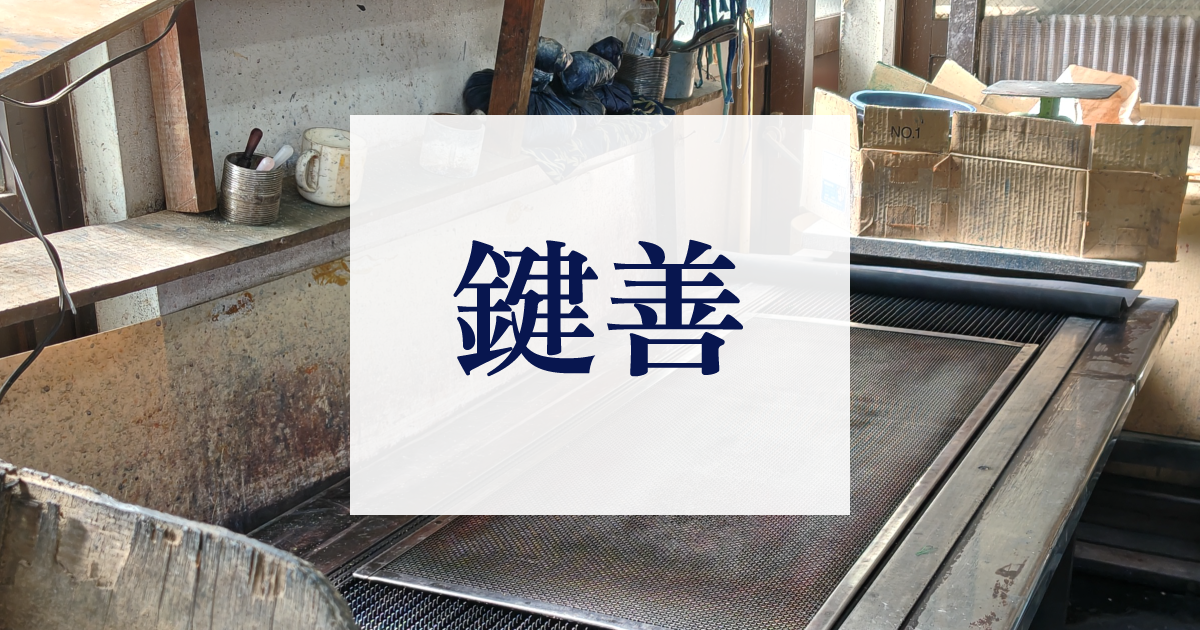
| Kagizen Co., Ltd. | 1-25-15 Yotsugi, Katsushika City, Tokyo 〒124-0011 |
WEB | |
| Tokyo Waszarashi Co., Ltd. | 4-14-9 Tateishi, Katsushika City, Tokyo 〒124-0012 |
WEB | |
| Nakagawa Somekojo Co., Ltd. | 562 Nishiki 1-chome, Utsunomiya City, Tochigi 〒321-0967 |
WEB | |
| Nakamura Somekojo Limited Company | 40 Tokiwacho, Takasaki City, Gunma 〒370-0816 |
WEB | |
| Muraisenkojo Limited Company | 6-17-27 Ichinoe, Edogawa City, Tokyo 〒132-0024 |
WEB | |


 Contact Us